
Paint Protection Film in Ottawa: Benefits, Costs & What to Expect
We all know that feeling when we park our car and spot tiny scratches, stone chips, or even bird droppings that seem impossible to remove. It’s frustrating, right?
Luckily, there’s a solution that can help protect your car’s paint and keep it looking newer for longer: Paint Protection Film (PPF) in Ottawa.
If you’ve been thinking about protecting your vehicle, this guide breaks down what PPF is, how it works, what it protects against, and what to consider before installation.
What Is Paint Protection Film?
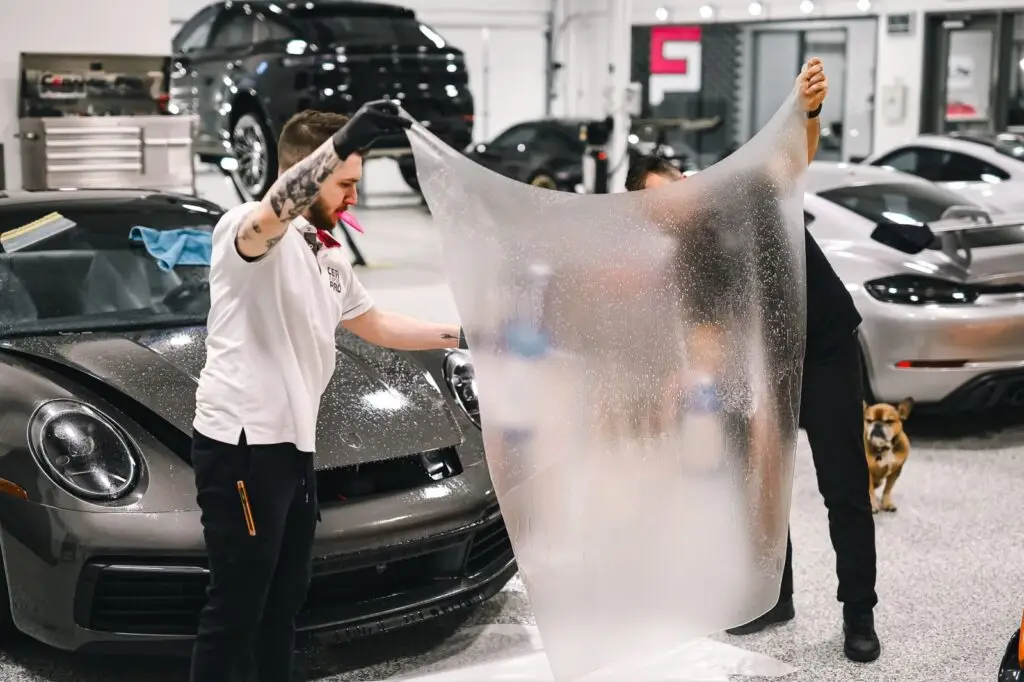
So, what exactly is paint protection film? In simple terms, PPF is a clear, durable layer installed over your vehicle’s painted surfaces. It acts as a protective barrier between the paint and everyday road hazards.
Unlike a traditional car wrap, PPF is primarily designed for paint protection rather than changing the colour of your vehicle.
A quality film can help protect against:
- Stone chips
- Light scratches
- Road debris
- Bug splatter
- Bird droppings
- Road contaminants
- Minor surface damage
The film is also designed to maintain the appearance of your vehicle, making it a popular option for luxury cars, sports cars, SUVs, and daily drivers.
If you’re comparing coverage options, our guide to PPF Ottawa options can help you understand the difference between partial and full coverage.
Why Do Ottawa Drivers Choose PPF?
Ottawa driving conditions can be demanding on vehicle paint. Winter salt, gravel, road debris, snow, and changing temperatures can gradually affect exposed surfaces.
During warmer months, dust, bugs, bird droppings, and UV exposure add another layer of wear.
Installing PPF in Ottawa can help reduce the impact of these everyday hazards.
Protection From Stone Chips and Scratches
High-impact areas such as the front bumper, hood, fenders, and mirrors are constantly exposed to road debris.
PPF creates a physical barrier that helps protect these areas from minor chips and scratches.
Protection From Everyday Contaminants
Bird droppings, insects, and other contaminants can become difficult to remove if they remain on paint for too long.
A protective film makes the surface easier to maintain while adding another layer between contaminants and the original paint.
Maintaining Your Vehicle’s Appearance
One of the biggest advantages of PPF is that it can protect the original finish without dramatically changing the vehicle’s appearance.
Clear PPF allows the factory paint colour and finish to remain visible.
Supporting Long-Term Vehicle Value
Keeping the original paint in good condition can be beneficial when you eventually decide to sell or trade your vehicle.
A well-maintained exterior can make a stronger first impression and help preserve the overall appearance of the car.
Choosing the Right Paint Protection Film in Ottawa
Not every PPF installation is the same. The type of film, coverage area, installation technique, and condition of the paint can all affect the final result.
Before choosing a PPF solution, consider the following factors.
Coverage Options
You don’t necessarily need to cover the entire vehicle.
Common PPF coverage areas include:
- Front bumper
- Hood
- Front fenders
- Side mirrors
- Door edges
- Rocker panels
Drivers who regularly travel on highways or gravel-heavy roads may prefer broader coverage.
Film Quality
Different films offer different levels of durability, clarity, gloss, and self-healing performance.
Professional-grade products such as XPEL Paint Protection Film are designed to provide long-term protection while maintaining a clean appearance.
Installation Quality
Even high-quality film can look poor when it is installed incorrectly.
Professional installation helps ensure that the film follows the vehicle’s contours properly, with clean edges and minimal visible seams.
How Does Paint Protection Film Work?
PPF is generally made from a flexible polyurethane material designed to absorb and resist everyday impacts.
Instead of allowing a stone or piece of road debris to directly hit the paint, the film takes much of that impact.
Modern PPF products can also include self-healing properties. Depending on the product, minor surface marks may reduce or disappear when exposed to heat.
This makes PPF particularly useful for vehicles that regularly encounter highway driving, gravel, and other road debris.
What Areas Should You Protect With PPF?
The best coverage depends on how and where you drive your vehicle.
For many Ottawa drivers, the front of the vehicle is a logical starting point because it receives significant exposure to road debris.
Hood PPF
The hood can collect stone chips and road debris, especially during highway driving.
Front Bumper PPF
The front bumper is one of the highest-risk areas because it takes direct impact from stones, insects, and other debris.
Mirror PPF
Side mirrors can also be exposed to road debris and minor scratches, making them another useful area for protection.
Full Body PPF
For owners who want more comprehensive protection, full body PPF in Ottawa covers a much larger portion of the vehicle.
This option can make sense for luxury vehicles, new vehicles, enthusiast cars, or anyone who wants to preserve the original paint as much as possible.
Is Professional PPF Installation Worth It?
PPF installation requires precision. Vehicle panels have curves, edges, contours, and difficult areas that need careful attention.
Professional installation can provide:
- Cleaner film alignment
- Proper surface preparation
- Smoother edges
- Reduced risk of bubbles
- Better overall finish
- Guidance on suitable coverage
The quality of the installation can be just as important as the quality of the film itself.
PPF vs. Ceramic Coating: What’s the Difference?
PPF and ceramic coating are both popular paint protection solutions, but they serve different purposes.
PPF provides a physical protective layer that is designed to help defend against impacts, chips, and scratches.
Ceramic coating provides a protective surface layer that improves hydrophobicity, gloss, and resistance to contaminants.
For drivers looking for impact protection, PPF is generally the more appropriate option. Some vehicle owners choose to combine PPF with ceramic coating for additional surface protection and easier maintenance.
It’s also worth noting that PPF and car wraps serve different purposes. A wrap is generally chosen to change or customize the vehicle’s appearance, while PPF is primarily designed to protect the original paint.
How Long Does Paint Protection Film Last?
The lifespan of PPF depends on the product, installation quality, environmental exposure, and maintenance.
High-quality films can provide protection for several years when properly installed and maintained.
Regular washing and following the manufacturer’s care recommendations can help maintain the film’s appearance and performance.
For ongoing vehicle care, regular mobile car detailing in Ottawa can also help keep the vehicle and its protected surfaces looking their best.
Professional PPF Installation Makes the Difference
When it comes to PPF installation in Ottawa, the goal isn’t simply to put film on a vehicle. Proper preparation, careful application, and attention to every panel determine how the finished vehicle looks and performs.
A professional installer can also help determine whether you need front-end protection, specific high-impact areas, or full-body coverage based on your vehicle and driving habits.
Protecting Your Paint Starts Before the Next Road Chip
Paint protection film can be a practical way to protect your vehicle from the everyday hazards of Ottawa driving while preserving its original appearance. Whether you choose front-end protection or full-body coverage, the right film and professional installation can help keep your paint looking its best for years to come.
If you’re ready to explore your options, contact Infinite Auto Care to discuss the right PPF coverage for your vehicle and driving needs, or schedule your installation when you’re ready.
Frequently Asked Questions About PPF in Ottawa
What is paint protection film?
Paint protection film is a clear polyurethane film applied to painted vehicle surfaces. It helps protect the original paint from stone chips, minor scratches, road debris, and other everyday contaminants.
Is PPF worth it for a daily driver?
Yes. Daily drivers regularly encounter road debris, gravel, insects, and other contaminants. PPF can help protect commonly exposed areas and reduce visible paint damage over time.
How much of my car should I cover with PPF?
Coverage depends on your vehicle, driving habits, and budget. Front bumpers, hoods, fenders, and mirrors are common areas for protection, while full-body PPF provides broader coverage.
Can PPF prevent stone chips?
PPF is designed to help protect paint from stone chips and road debris. However, no protective film can guarantee that paint will never be damaged under every type of impact.
Does PPF damage the original paint?
When properly installed, maintained, and removed by professionals, quality PPF is designed to protect rather than damage the vehicle’s original paint.
Does PPF need special maintenance?
PPF doesn’t require complicated maintenance. Regular washing and following the film manufacturer’s care recommendations can help maintain its appearance and performance.
Can PPF be applied over scratched paint?
The condition of the paint should be assessed before installation. Existing scratches, chips, oxidation, or other defects may remain visible beneath the film, so paint preparation may be recommended first.
Is PPF better than ceramic coating?
They provide different types of protection. PPF is designed primarily for physical impact protection, while ceramic coating focuses more on surface protection, gloss, and hydrophobic properties. In some cases, they can be used together.